How Important is it to Have an Experienced Interior Designer on Your Remodeling Project?
Your Contractor and Your Interior Designer Have Different Jobs
A good contractor is an incredibly important part of a remodeling project. Their expertise is in construction: understanding how things are built, coordinating trades, managing the construction process and making sure the work is completed properly.
An interior designer brings a different kind of expertise to the project.
We are looking at how the space will function when it is finished. We’re thinking about the layout, proportions, materials, lighting, finishes, furnishings and all of the details that ultimately determine how the space will look and feel.
Your contractor knows how to build it. Your interior designer makes sure you’re building the right thing.
Good Design Starts Long Before Construction
One of the biggest benefits of having an experienced interior designer involved is that we are thinking through the details before construction begins.
Is there enough space between the island and the cabinetry?
Will the refrigerator door open properly without hitting something?
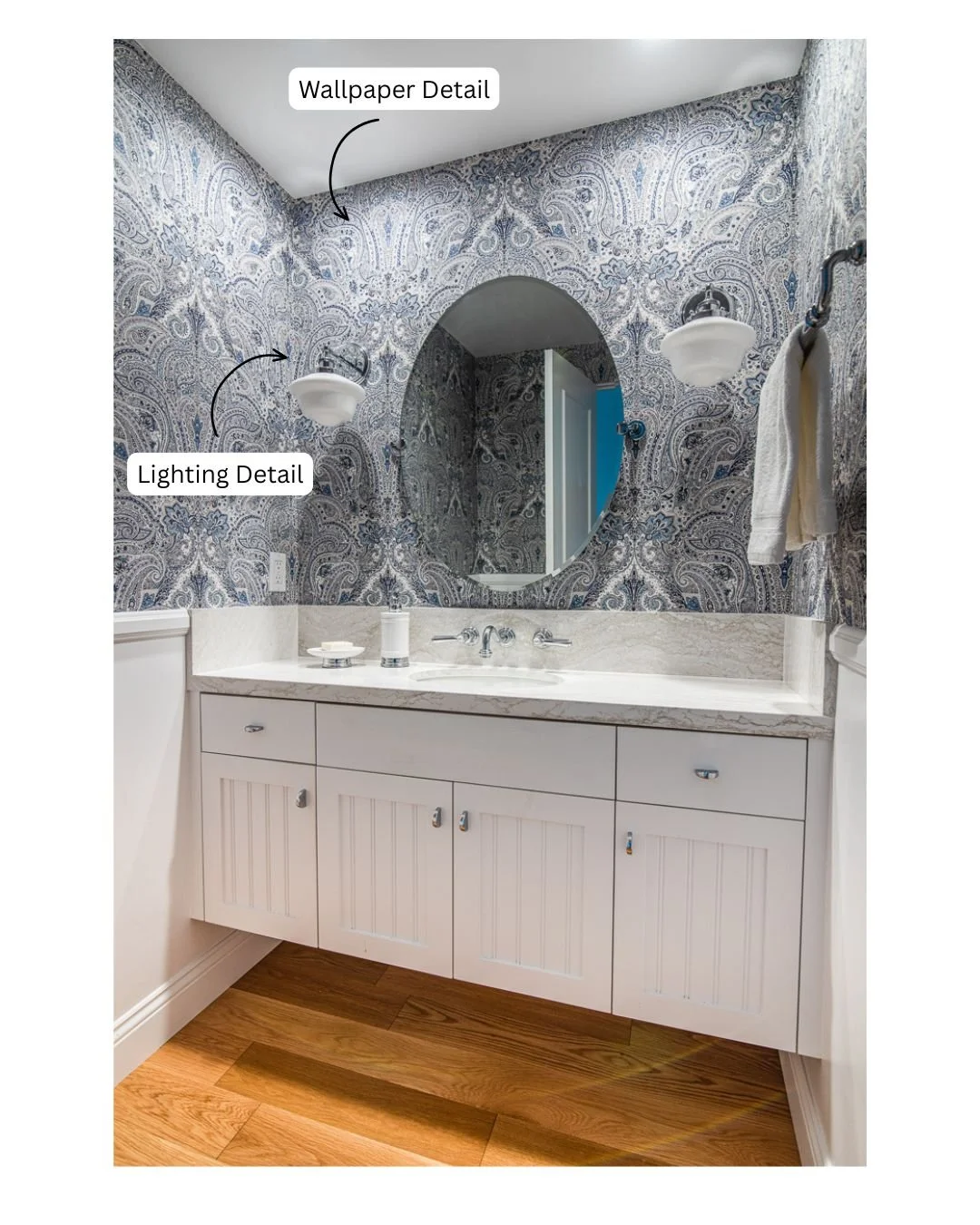
Is the vanity the right size for the space?
Are the outlets, switches and lighting located where you will actually need them?
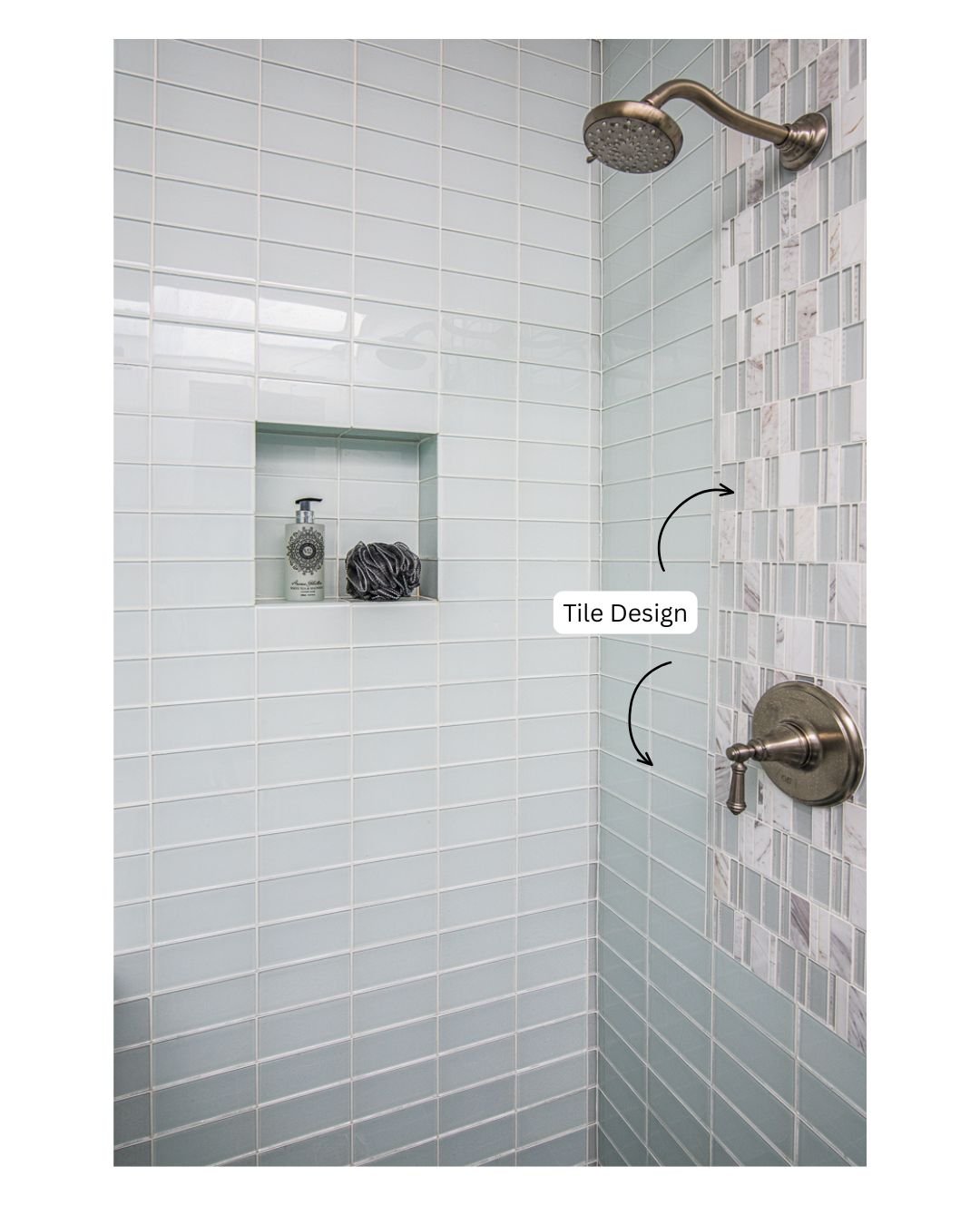
Will the tile layout work with the dimensions of the shower?
Will there be enough room for the furniture you plan to use?
These may seem like small details, but discovering a problem on paper is much easier and less expensive than discovering it after something has already been built or installed.
There Is More to Selecting Materials Than Choosing What Looks Good
Selecting tile, flooring, countertops, plumbing fixtures and cabinetry is certainly part of the fun of remodeling, but there is much more involved than simply choosing finishes that look good together.
An experienced designer is also considering durability, maintenance, scale, proportion, installation requirements and how one material transitions into another.
We are looking at the entire space rather than making each selection independently.
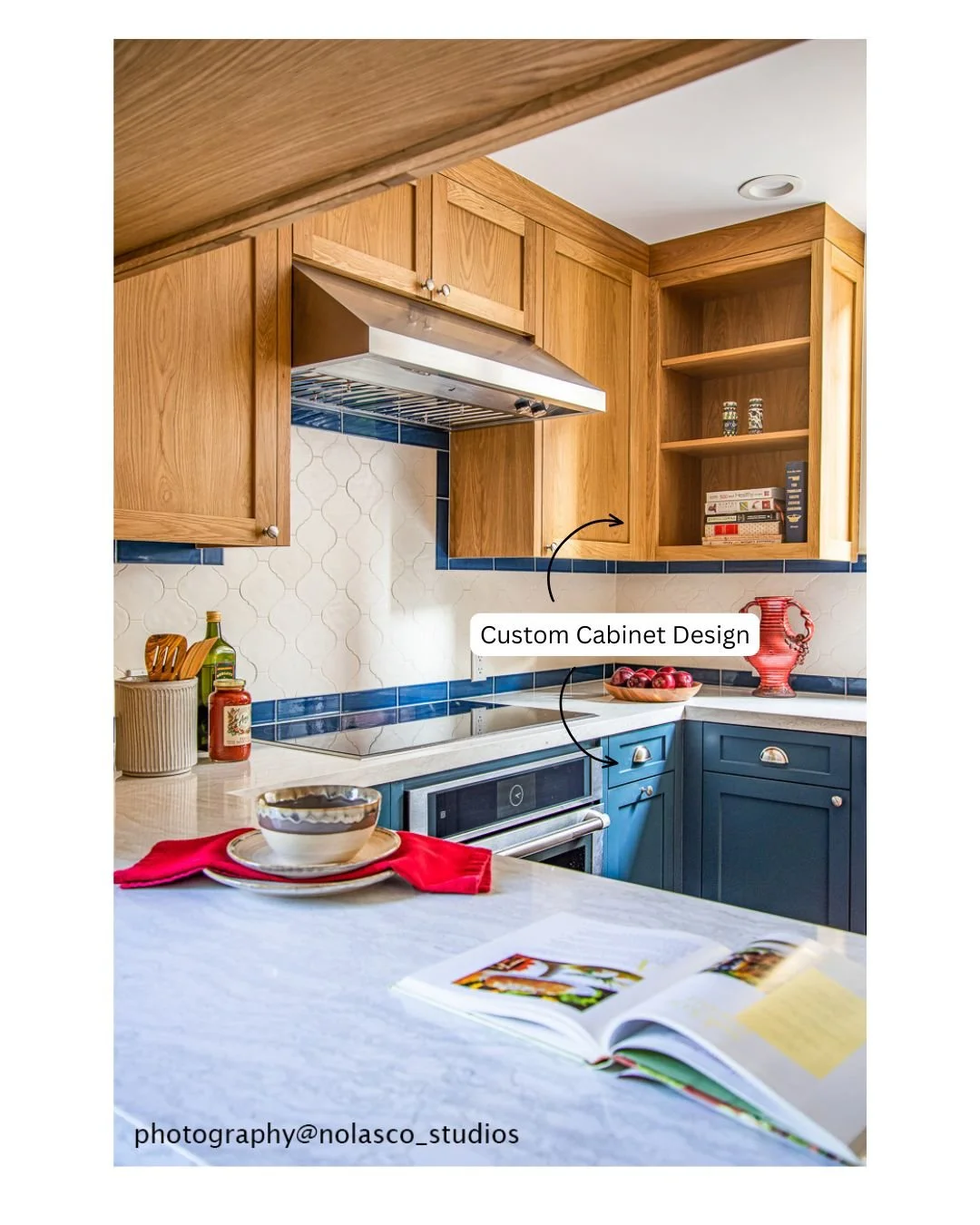
That means the flooring needs to work with the cabinetry, the cabinetry with the countertops, the countertops with the backsplash, and all of those elements with the lighting, plumbing fixtures, hardware and furnishings.
The goal is for everything to feel intentional when the project is finished.
Measurements and Specifications Matter
A beautiful selection isn’t very helpful if it doesn’t fit.
Interior designers spend a tremendous amount of time checking dimensions, reviewing specifications and creating drawings so that everyone involved in the project understands exactly what is supposed to happen.
A few inches can make the difference between something functioning beautifully and something that becomes an everyday frustration.
This is also why detailed drawings, specification sheets and finish schedules are such an important part of the design process. They give the contractor and trades the information they need and help eliminate assumptions.
Your Designer Is Looking at the Project Through Your Eyes
There is another important difference.
Your contractor’s responsibility is to build the project. Your designer’s responsibility is to advocate for the design and for you.
We have spent time learning how you live, what is important to you, what you like and don’t like, and what you want your home to feel like when the project is finished.
When questions come up during construction, we aren’t simply asking, “What is the easiest way to build this?”
We’re also asking, “Is this still going to give our client the result we planned?”
Sometimes those two answers are not the same.
Experience Helps Us See Problems Before They Become Problems
One of the most valuable things an experienced designer brings to a remodeling project is something that can be difficult to see: foresight.
After working on many projects, we know where problems tend to occur. We know which dimensions need to be double-checked, which selections need additional specifications, and which details need to be worked out before the contractor gets to that stage of construction.
A large part of our job happens behind the scenes.
When we catch a measurement issue before something is ordered, rethink a layout before a wall is built, or discover that a material isn't appropriate for a particular application, you may never see the problem that could have happened.
And that's exactly the point.
An Interior Designer Is Part of the Investment, Not Just Another Expense
When homeowners are trying to manage a remodeling budget, eliminating the designer can seem like an easy place to save money.
But your designer is helping you make decisions about thousands, and sometimes hundreds of thousands, of dollars’ worth of construction, fixtures, finishes and furnishings.
Making the wrong decisions can be expensive.
More importantly, you will be living with those decisions every day for many years.
A successful remodeling project isn't simply one that was built correctly. It should function beautifully, feel cohesive and reflect the people who live there.
That is where an experienced interior designer brings tremendous value.
The Best Projects Are Collaborative
I don't believe homeowners should have to choose between a good contractor and a good interior designer.
You need both.
The best projects happen when the contractor and designer respect each other's expertise and work together toward the same goal: creating a home that is well built, thoughtfully designed and right for the client.
Your contractor knows construction.
Your interior designer knows design.
And when those two areas of expertise come together, that's when a remodeling project can become something truly special.